Installing a new garage door opener doesn’t have to be a headache. The Chamberlain 3/4 HP Smart Quiet Belt Drive Garage Door Opener has earned solid standing among homeowners who want a balance of reliability, smart features, and quiet operation without overpaying for contractor overhead. Whether you’re upgrading an aging chain-drive unit or building your first garage, this guide walks you through what sets this model apart, how to install it yourself, and whether it’s the right fit for your home and skill level.
Table of Contents
ToggleKey Takeaways
- The Chamberlain 3/4 HP Smart Quiet Belt Drive Garage Door Opener operates 75% quieter than chain-drive models at 70–75 decibels, making it ideal for garages near living spaces.
- The myQ Smart Hub enables remote monitoring and control via smartphone, voice assistant integration (Alexa, Google, Apple HomeKit), and automatic alerts if your garage door is left open.
- DIY installation requires 3–4 hours, basic tools, secure ceiling joists or framing, and a helper—but never attempt spring replacement, which requires a licensed professional for safety reasons.
- The 3/4 HP motor is sized perfectly for standard residential doors (300–500 pounds) without overkill, drawing only 5–8 amps on a typical 15-amp garage circuit.
- An annual maintenance routine—checking belt tension, lubricating the rail, and testing safety reversals—extends the unit’s lifespan to 10–15 years with minimal wear.
What Makes the Chamberlain 3/4 HP Stand Out
The 3/4 horsepower belt drive motor is the sweet spot for most residential garage doors. It’s powerful enough to lift a standard 7-foot by 8-foot single-car door or a heavier insulated panel without strain, yet it doesn’t overkill smaller openings where a 1/2 HP unit would suffice. Unlike chain drives, belt drives don’t rattle your teeth loose every time the door cycles, they use a rubber-backed steel belt instead of a chain, cutting noise levels by roughly 75% compared to older models.
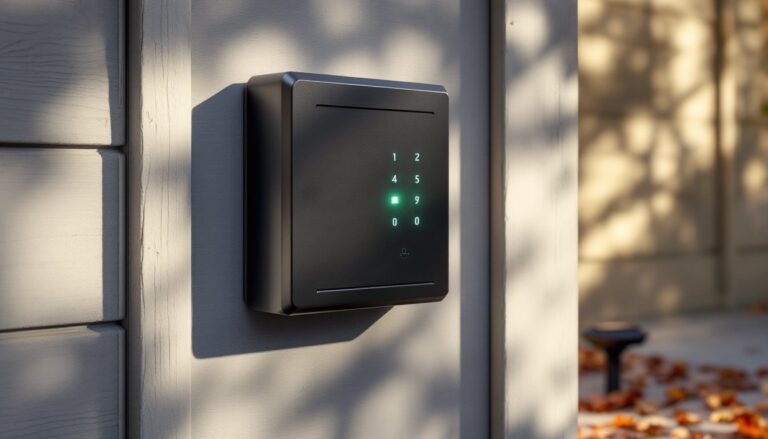
Chamberlaín’s design also includes a wall-mounted control panel with battery backup, so you won’t be locked out during a power failure. The opener mounts to the garage ceiling via a reinforced rail system and connects to a door bracket that hangs from your door’s top panel. The motor itself draws between 5–8 amps during operation, which works fine on a standard 15-amp garage circuit (though some jurisdictions prefer a dedicated 20-amp breaker for safety margins, check your local electrical code). When comparing against competitors featured in recent reviews of top garage door openers, the Chamberlain holds its own on reliability and features-per-dollar.
Key Features and Smart Home Integration
Modern garage door openers are no longer just mechanical. The myQ Smart Garage Control app lets you open, close, and monitor your door from anywhere using your smartphone over Wi-Fi. You’ll receive notifications if the door is left open, and you can check its status in real time, useful if you’re halfway to work and can’t remember whether you closed it.
Wi-Fi Connectivity and Mobile Control
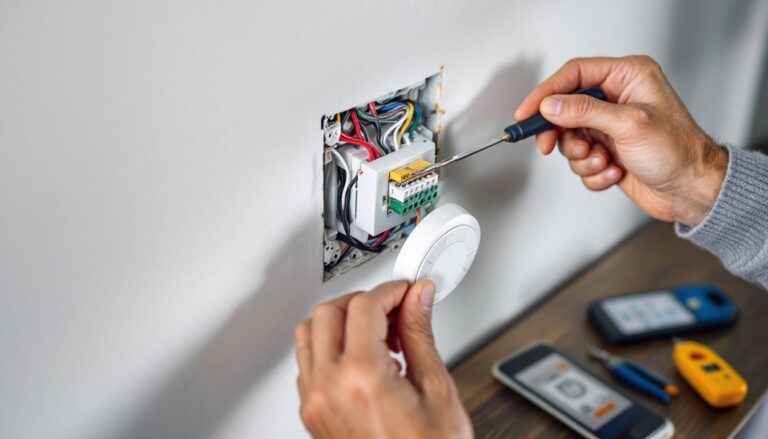
The unit ships with a myQ Smart Hub (sometimes sold separately, depending on your bundle), which acts as the bridge between your opener and your home Wi-Fi network. Installation is straightforward: plug the hub into a standard outlet within reasonable range of your garage (typically 50+ feet in clear line-of-sight, less through walls), then pair it to your home network using the app. Once connected, you can integrate the opener with Amazon Alexa, Google Assistant, or Apple HomeKit, so voice commands like “Alexa, close the garage” actually work.
The smart features don’t replace the standard remote or wall button, they’re additions. You still get a rolling code remote that changes its transmission pattern each time you use it, preventing signal interception. Many smart garage door systems reviewed by tech outlets highlight this dual-control approach as essential for security. The unit also pairs with motion sensors and tilt sensors (sold separately), so it can automatically close the door if triggered by a timer or alert you if motion is detected near the opening.
Installation Essentials for DIY Homeowners
Before you order tools and materials, confirm that your garage structure is suitable. The opener needs to mount roughly 9 to 12 inches below the ceiling to clear your door’s path as it opens. Measure your ceiling height and door travel: if your door is insulated or has a high-lift track, you may need additional clearance. Also check whether your existing door hardware (springs, cables, brackets) is in good shape, a worn-out door can strain a new opener and create safety hazards.
Load-bearing considerations matter here. Standard residential doors weigh 300 to 500 pounds depending on material and insulation. The 3/4 HP motor easily handles this, but the mounting hardware must attach securely to structural members. The ceiling must have solid framing, ideally joists or a reinforced beam. Drywall alone won’t support the 500+ pounds of downward force during door cycles. If your garage has a drop ceiling or questionable framing, have a structural inspection before proceeding.
Tools and Prerequisites You’ll Need
You’ll want:
- Socket set (1/4-inch and 3/8-inch drives) and wrenches (for assembly and bracket fastening)
- Drill with bits (for pilot holes in mounting brackets)
- Level (a 2-foot or 4-foot model works: critical for aligning the rail)
- Stepladder or scaffolding (you’ll be overhead for 2+ hours)
- Stud finder (to locate ceiling joists for secure mounting)
- Adjustable wrench and locking pliers (for final adjustments)
- Safety glasses, work gloves, and hearing protection (belt drives are quieter, but the motor still generates 70–75 dB during operation)
- Flashlight or headlamp (garages are dark)
Materials you’ll supply:
- 3/8-inch hex bolts, nuts, and washers (for mounting rail to joists, at least 1/2-inch by 3-inch bolts into wood)
- Outlet access (a nearby 120V outlet for the motor plug: if none exists within 6 feet, you may need to run a new circuit, which requires a licensed electrician in most jurisdictions)
- Door bracket kit (usually included but verify)
If your door uses an old torsion spring system, do not attempt to adjust or replace springs yourself, torsion springs store extreme tension and are a serious injury risk. Spring replacement requires a licensed technician.
The assembly typically takes 3–4 hours, including mounting, bracket attachment, and test cycles. Have a helper on hand to stabilize the rail while you bolt it down and to observe the door movement during initial tests. The manual will walk you through rail alignment, but the critical step is ensuring the rail hangs straight (use your level) so the door doesn’t bind.
Performance and Noise Reduction Technology
The belt drive operates at roughly 70–75 decibels during full cycles, about as loud as a conversation in a moderately busy office. Compare this to chain drives, which peak at 85–90 dB. That’s a noticeable difference if your garage is near a bedroom or living space. The belt’s rubber backing dampens vibration, and Chamberlain’s vibration-reduction mounting (often called “isolation mounts”) further cuts transmitted noise into your home’s framing.
Cycle time matters too. A typical 7-foot by 8-foot door takes about 8–12 seconds to fully open or close, depending on spring tension and load. The motor ramps up slowly at the start and end of each cycle to reduce jerky movements and associated noise. Once the door is fully open or closed, the motor cuts power automatically, no holding current, just passive mechanical lock.
For cold-weather performance, the belt stays flexible down to about 0°F, though the lubricant thickens, which may cause slightly slower cycles. Most lubricants supplied with the opener (or readily available) are rated to -20°F, so you’re safe in most climates. If you live in an extreme climate, verify that your lubricant spec matches your region’s winter lows.
Wear and tear are minimal under normal use (1–5 cycles per day for a residential garage). The belt itself typically lasts 10–15 years before needing replacement, and the motor bearings are sealed against dust. An annual inspection, checking belt tension, lubricating the rail, and testing the safety reversals, will extend the unit’s life significantly. The best garage door openers of 2026 emphasize long-term reliability as a key factor, and the Chamberlain’s track record supports this.
Safety features built in: All modern openers include automatic reversal (the door stops and reverses if it encounters an obstacle) and photoelectric sensors near the door’s bottom. These sensors must be installed and tested before the opener is considered safe for everyday use. The manual includes step-by-step sensor placement: they typically mount 4–6 inches above the floor on each side of the door opening.
Conclusion
The Chamberlain 3/4 HP Smart Quiet Belt Drive Garage Door Opener suits most homeowners who want a reliable, quiet, and modern garage door system without the premium price tag of high-end models. The 3/4 HP motor handles standard residential doors, the belt drive keeps noise down, and the smart home integration adds genuine convenience if you use a smartphone or voice assistant. DIY installation is feasible for anyone comfortable with basic mechanics and power tools, just respect structural limits, follow the manual closely, and don’t skip the safety tests. If structural concerns arise or spring work is needed, bring in a licensed professional: those aren’t corners to cut.